


Phonics Program
Reading is one of the most important skills a child develops in their early years, and how it is introduced shapes their attitude toward learning.
The Edumaame Phonetics Program helps children become confident readers and writers by understanding how language works, rather than memorising it. Through a structured yet engaging approach, children learn to recognise sounds, blend them into words, and build fluency in reading and writing.
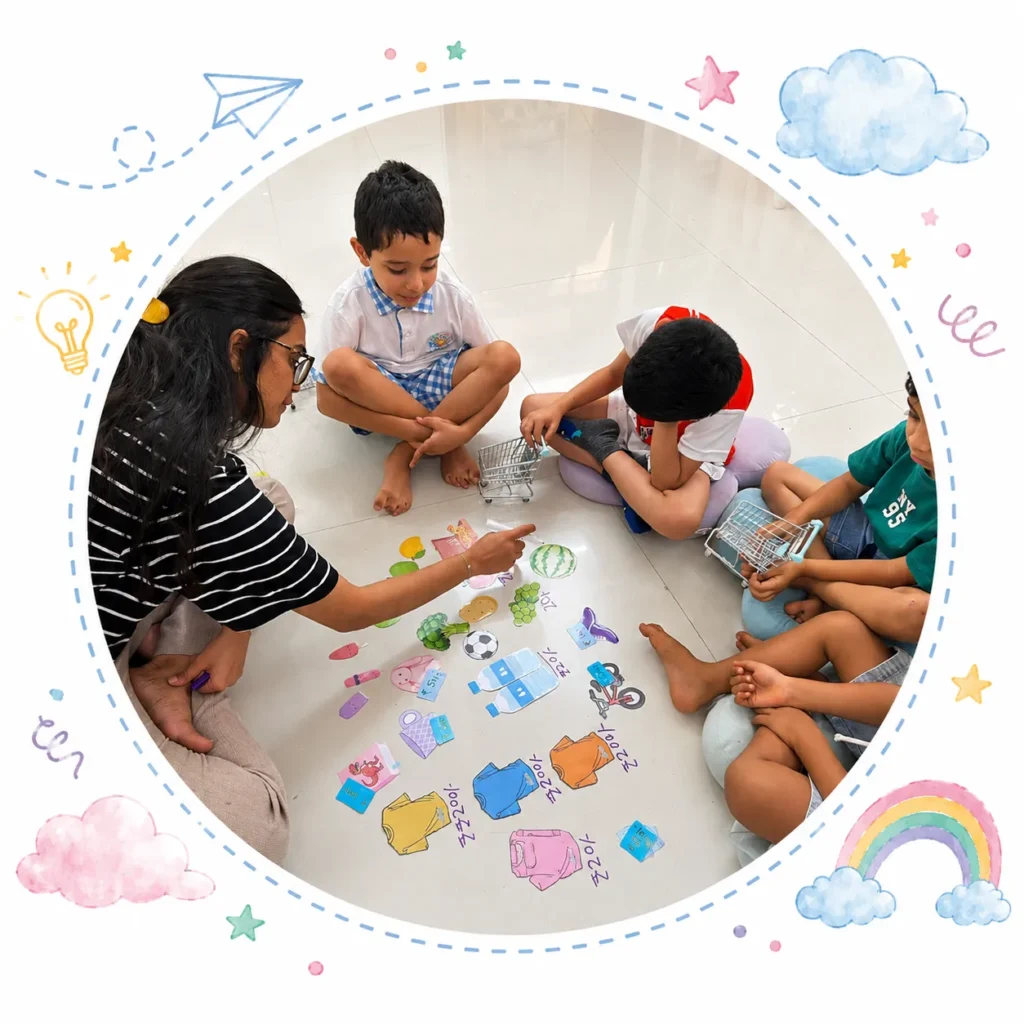
Our classes use stories, characters, and interactive activities to keep children actively involved. Concepts are introduced in a natural and relatable way, helping them build strong literacy foundations with confidence.
At Edumaame, learning goes beyond theory. Every new sound or concept is applied through reading, writing, conversation, and storytelling—making learning meaningful and practical.
Phonetics Level 1
Building the Foundation
Level 1:
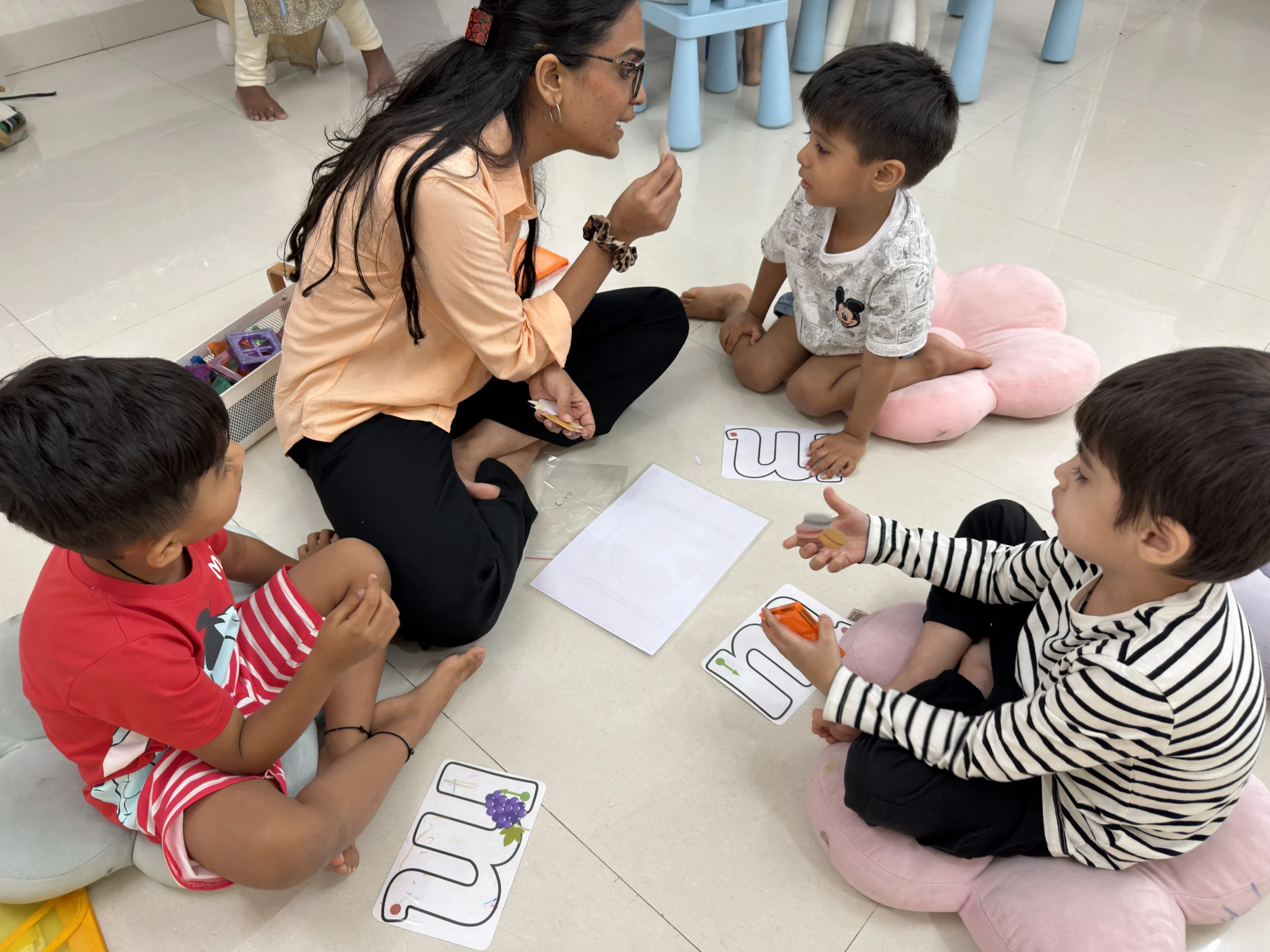
Focuses on helping children understand the relationship between letters and sounds, forming the base for reading and writing.
Concepts are introduced through interactive activities, storytelling, and visual cues so children can connect sounds to meaning rather than simply memorising patterns.
The goal of Level 1 is to help children feel comfortable decoding words and understanding how reading works.
During this stage, children begin to:
Recognise and pronounce letter sounds
Blend sounds together to read simple words
Identify beginning, middle, and ending sounds
Develop early reading confidence
Strengthen listening and sound awareness
Begin writing simple words and sentences
Phonetics Level 2
Expanding Language
Level 2:
Once children are comfortable with foundational reading skills, they progress to Level 2, where learning becomes deeper and more expressive.
Along with advanced phonetic rules and concepts, children are gradually introduced to basic grammar through visual techniques and sentence structure.
This helps them understand not just how to read words, but how language works as a system.At this stage, grammar is introduced in an engaging and relatable way, often through characters, stories, and practical examples so children can clearly understand how different parts of language work together. The focus remains on application and understanding, ensuring that children are able to use what they learn confidently in reading, writing, and communication.
Children begin to explore:
Advanced spelling patterns and blends
Reading longer and more complex words
Sentence construction and comprehension
Introduction to grammar concepts
Vocabulary development and expression
Writing short, meaningful sentences
The Edumaame Difference

Concept-Based Learning
Children understand how language works instead of memorising rules.
Learning Through Application
Every concept introduced is practiced through reading, writing, and conversation.
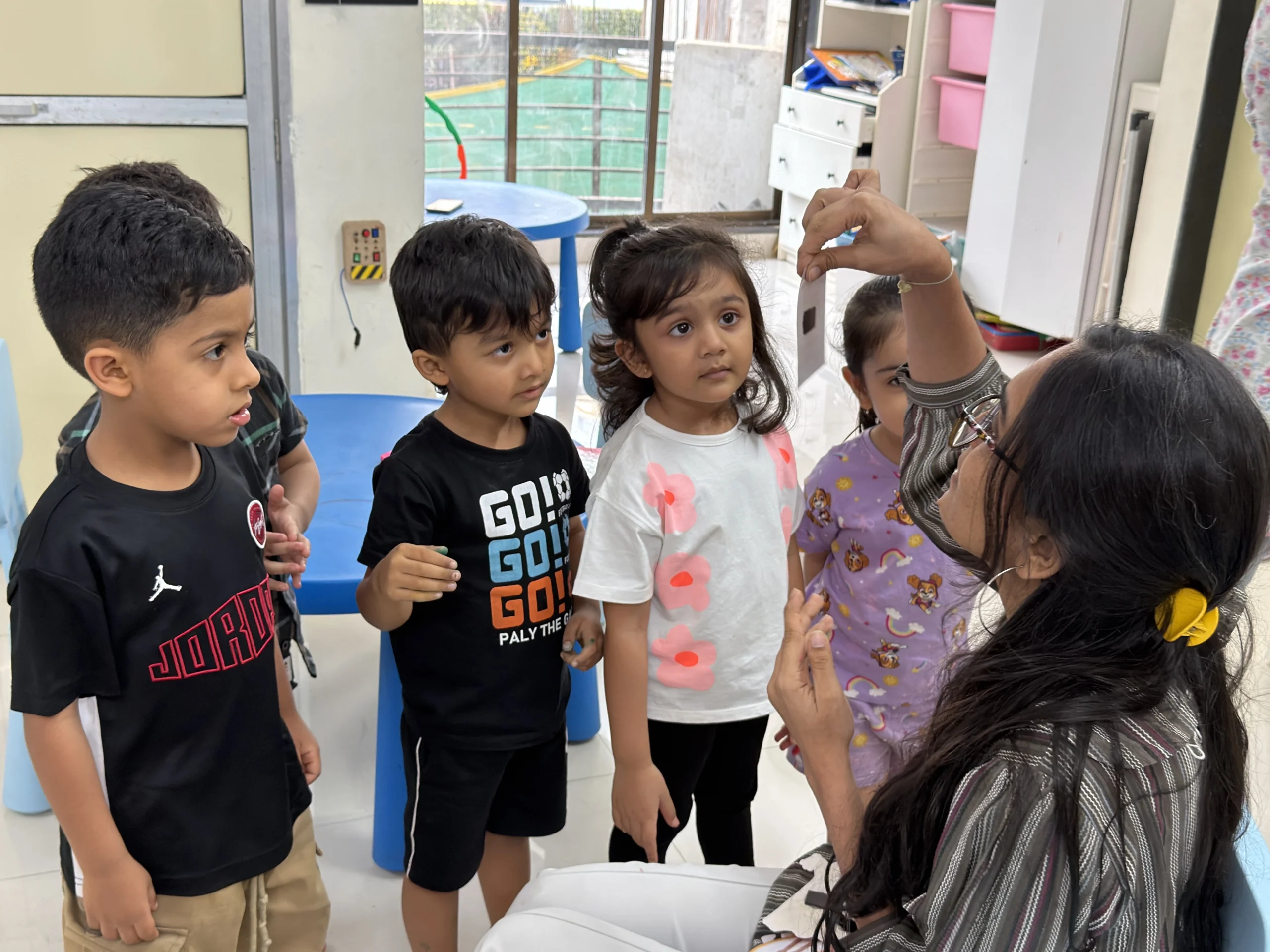
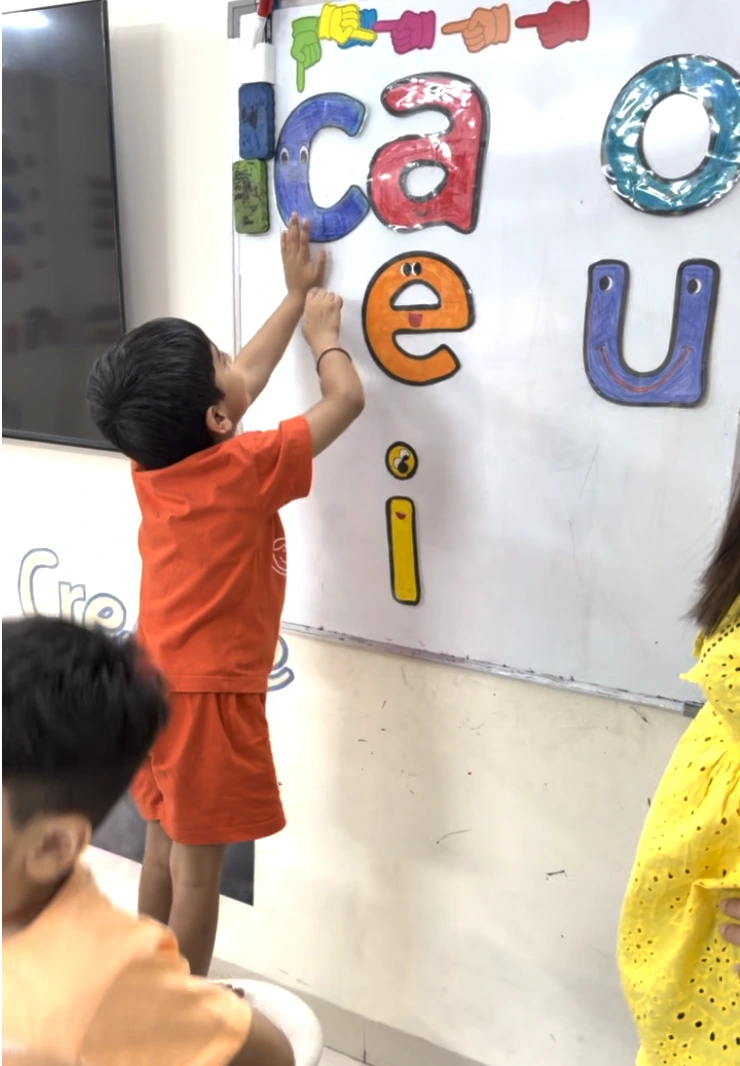
Character-Based & Interactive Teaching
Stories, characters, and engaging activities help children visualise and grasp concepts easily.
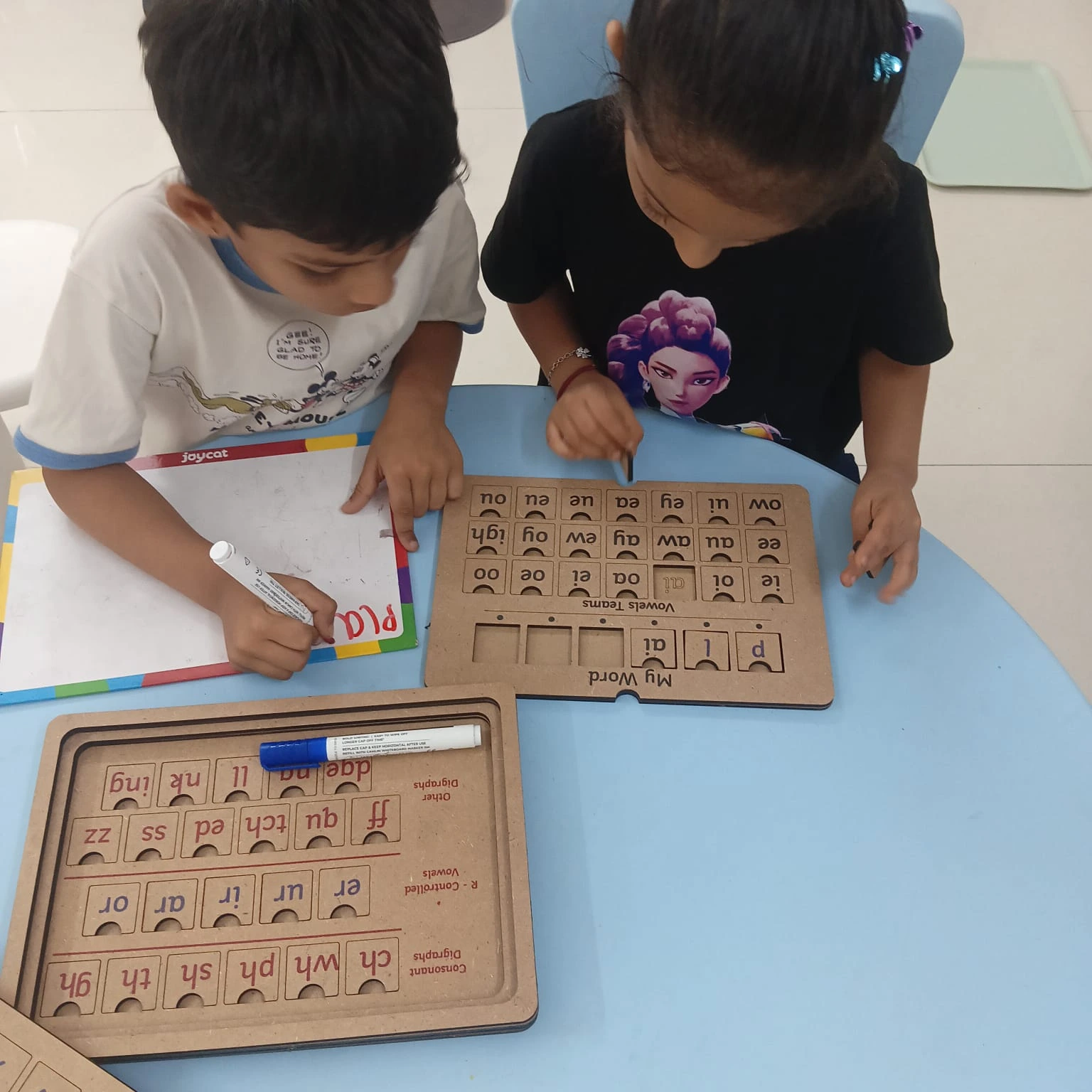
In-House Learning Tools & Custom Books
Children learn using specially designed Edumaame materials, including custom created books and learning tools that make concepts clearer and more relatable
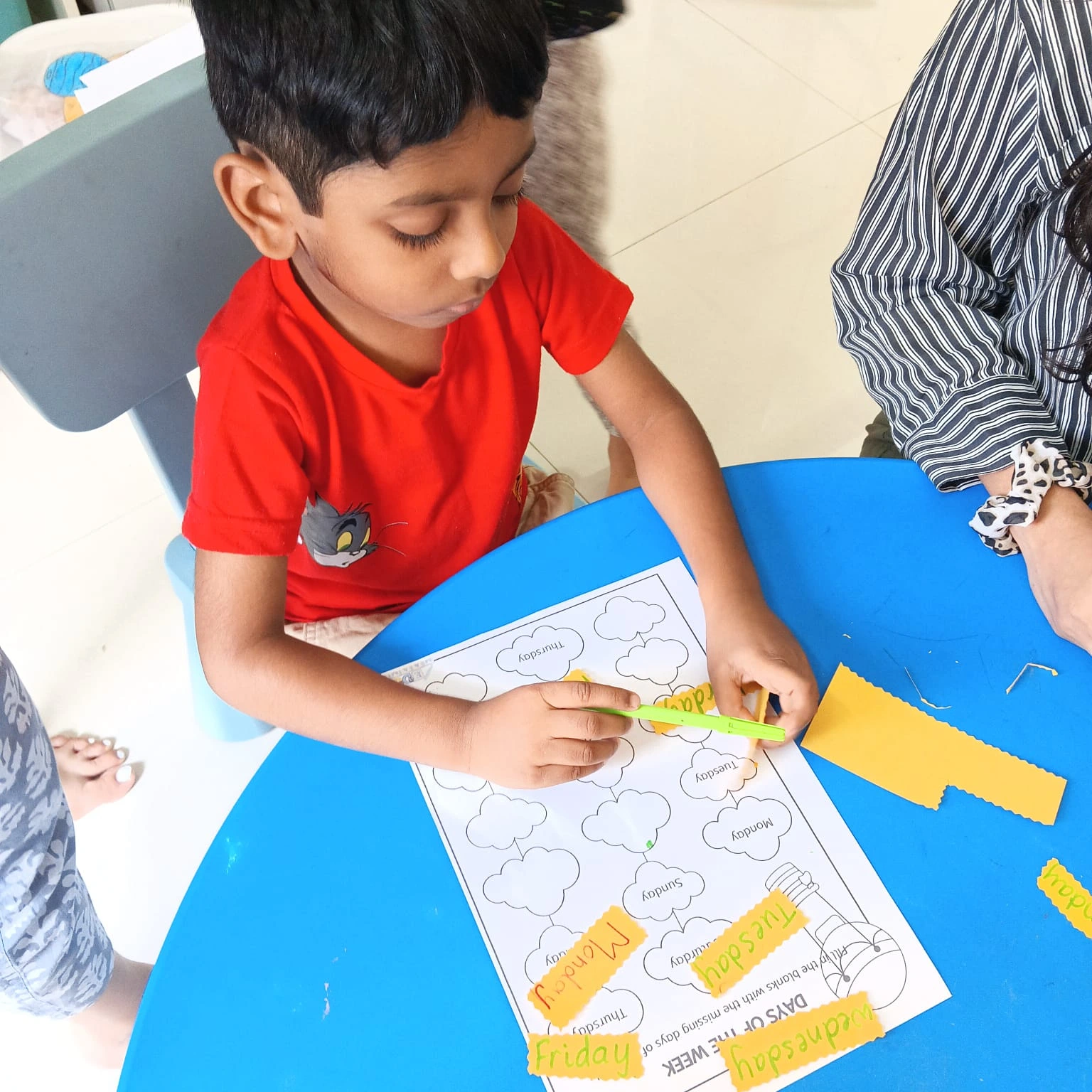
Personalised Attention
Small groups allow instructors to guide each child according to their pace and development.
Confidence First
The focus is not speed, but clarity and lasting understanding.

The Outcome
By the end of the Edumaame Phonetics Program, children don’t just learn to read they begin to understand language with confidence
and clarity.This foundation prepares children to approach reading, writing, and learning with confidence, curiosity, and
independence.
Children Develop:
Confident, independent reading skills
They begin to decode words with ease rather than relying on memorisation.
A clear understanding of how words and sounds work together
Children recognise patterns in language and make sense of what they read.
The ability to read and write meaningful sentences
Learning moves beyond words to expression and communication
Stronger vocabulary
and comprehension
Children understand what they read, not just pronounce it.
Confidence to express ideas in words and writing
As understanding grows, so does their ability to communicate clearly.